 By Business Insurance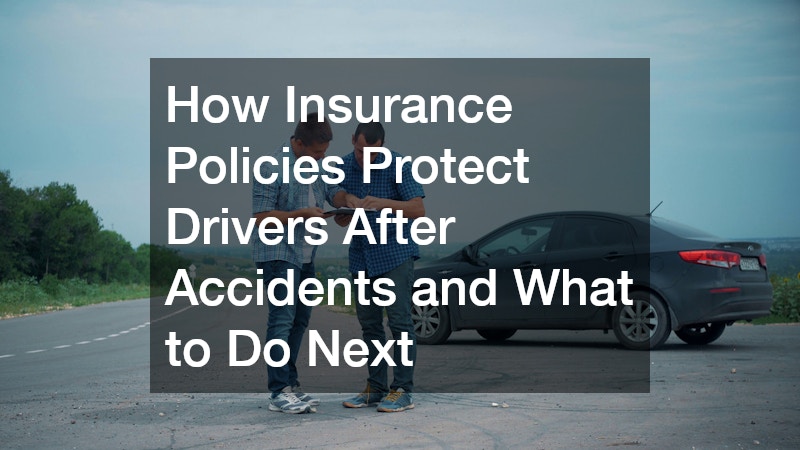
A car accident can be overwhelming, even for experienced drivers. In the moments after a collision, people are often dealing with shock, confusion, and concern about injuries or property damage. Once the immediate situation is under control, the next challenge usually involves navigating insurance claims, repairs, and sometimes legal matters. Understanding how these systems work ahead of time can make a significant difference in how smoothly the process unfolds.
Many drivers only think about their coverage when they are required to renew it or when they receive a bill. However, knowing what protections you have in place before an accident occurs is one of the best ways to prepare for unexpected situations. From documenting the scene to arranging repairs and resolving disputes, each step requires careful attention.
This guide explains how insurance protections work after a collision and outlines practical steps drivers can take to protect themselves financially and legally. By understanding the process and the professionals who may be involved, drivers can approach the situation with more confidence and clarity.
Understanding What Your Coverage Actually Includes
One of the most important steps drivers can take before an accident ever happens is understanding the details of their insurance policy. Many people assume their coverage protects them in every situation, but policies often contain specific limitations, deductibles, and exclusions that affect how claims are handled.
An insurance policy is essentially a contract between the driver and the insurance provider. It outlines what types of incidents are covered, the limits of financial protection, and the responsibilities of the policyholder. For example, liability coverage generally pays for damage or injuries caused to others, while collision coverage helps repair the driver’s vehicle after an accident. Comprehensive coverage may apply to situations such as theft, weather damage, or vandalism.
Drivers often discover gaps in their coverage only after a claim is filed. This is why it is important to review your policy carefully and ask questions if anything is unclear. A few key elements to examine include:
- Liability coverage limits and how much protection they provide
- Deductibles for collision and comprehensive coverage
- Whether rental vehicle reimbursement is included
- Any exclusions that might affect certain types of accidents
Another helpful step is comparing car insurance quotes periodically. Shopping around allows drivers to see how different companies structure their coverage and pricing. Quotes can vary widely depending on factors such as driving history, vehicle type, and location. While cost is important, drivers should also look closely at what protections are included.
When evaluating quotes, consider the following factors:
- The balance between monthly premium costs and deductibles
- Whether higher liability limits are available
- Additional benefits such as roadside assistance or accident forgiveness
- The financial stability and customer service reputation of the insurer
Taking the time to understand your coverage before an accident occurs helps eliminate uncertainty later. When drivers know exactly what protections they have, they are better prepared to make informed decisions during the claims process.
What to Do Immediately After an Accident
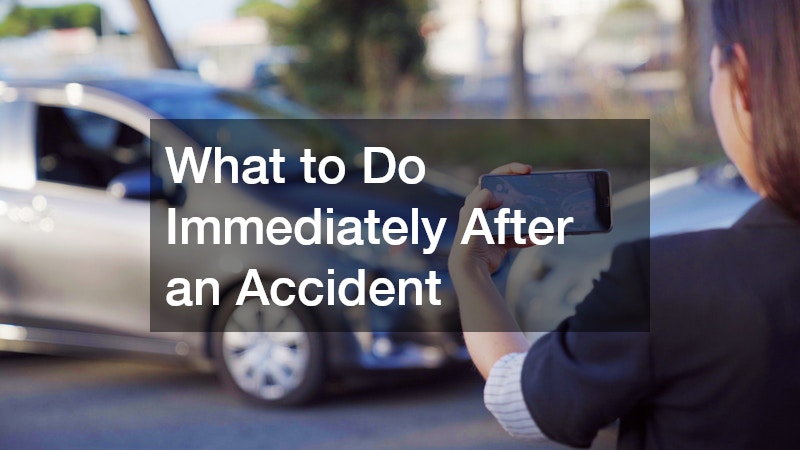
The moments following a collision are often stressful and chaotic, but taking the right steps immediately afterward can protect both your safety and your financial interests. The first priority should always be checking for injuries and making sure everyone involved is safe.
If possible, move vehicles to a safe area away from traffic. Turn on hazard lights and contact emergency services if anyone appears injured or if the accident is blocking the roadway. Even in minor accidents, it is usually wise to call the police so an official report can be created.
Once safety concerns have been addressed, begin documenting the scene. Gathering accurate information early will help support your insurance claim later. Important details include:
- Names and contact information of all drivers involved
- License plate numbers and vehicle descriptions
- Insurance information for each driver
- Photographs of vehicle damage, road conditions, and traffic signs
If the vehicle cannot be driven safely, arranging towing may be necessary. Professional towing services can transport the vehicle to a repair facility or storage location. Some insurance policies include roadside assistance coverage that may help pay for this service.
After the vehicle is moved, the next step is arranging for a professional inspection. Many drivers rely on an auto collision service to evaluate the damage and determine what repairs are necessary. These facilities specialize in bodywork, frame alignment, and structural repairs that may not be visible at first glance.
A typical damage evaluation includes:
- Inspection of body panels and paint damage
- Assessment of structural components such as the frame
- Checking safety systems like airbags and sensors
- Creating a repair estimate for the insurance company
Taking these steps carefully helps create a clear record of what happened and ensures that the repair process begins on the right track.
Navigating the Claims Process Step by Step
After the immediate aftermath of an accident has been addressed, the next major step involves filing an insurance claim. This process allows the insurance company to evaluate the incident and determine what costs will be covered under the driver’s insurance policy.
Most insurers require policyholders to report accidents as soon as possible. During the initial claim report, drivers will typically provide basic details such as the date and location of the accident, information about other drivers involved, and a description of the damage.
Once the claim is filed, an insurance adjuster is assigned to investigate the situation. Adjusters review several sources of information to determine how the claim should be handled. These may include:
- Police reports
- Photos from the accident scene
- Repair estimates from body shops
- Statements from drivers and witnesses
The adjuster’s job is to determine fault and estimate the financial responsibility of the insurer. This evaluation helps determine how much compensation will be offered for vehicle repairs, medical costs, or other damages.
In some situations, disagreements can arise during the claims process. Drivers may feel that the damage estimate is too low or that the insurer is unfairly denying coverage. When disputes become complicated, some individuals choose to consult an insurance lawyer for guidance.
Legal professionals who focus on insurance matters can help explain policy terms and advise clients about their rights. They may also assist with negotiating settlements or reviewing documents to ensure the policyholder receives fair treatment.
Common reasons drivers seek legal advice include:
- Claims that are delayed or denied
- Disputes over who was at fault
- Settlement offers that do not fully cover damages
Understanding how the claims process works helps drivers stay organized and prepared as they move through each stage.
Getting Your Vehicle Repaired Properly
Once an insurance claim has been approved, attention usually turns to repairing the damaged vehicle. Choosing the right repair facility is essential because the quality of repairs can affect both the safety and resale value of the car.
Many insurance companies provide a list of approved providers, but drivers typically have the right to select the facility they prefer. Visiting a reputable auto repair shop ensures that experienced technicians handle the work and that proper repair procedures are followed.
Collision-related repairs often involve specialized tools and equipment that go beyond standard mechanical work. In many cases, vehicles must be taken to an auto collision service where technicians are trained to repair structural damage, restore body panels, and recalibrate safety systems.
The repair process typically involves several steps:
- Performing a detailed inspection of all visible and hidden damage
- Creating a repair plan and ordering necessary replacement parts
- Repairing structural components such as the frame
- Repainting and refinishing damaged surfaces
Drivers should not hesitate to ask questions before authorizing repairs. Understanding the repair process helps ensure the work is completed correctly and that no damage is overlooked.
Questions to consider asking include:
- Whether original manufacturer parts will be used
- How long the repairs are expected to take
- Whether the work is covered by a warranty
Taking an active role in the repair process can help prevent misunderstandings and ensure the vehicle is restored safely.
Addressing Common Post-Accident Repairs
Some types of damage become obvious immediately after a collision, while others may appear later as technicians conduct a more detailed inspection. Even minor accidents can affect components that are not visible from the outside.
One common issue involves glass damage. Cracks or chips in the windshield can expand quickly due to temperature changes or road vibrations. When damage compromises visibility or structural strength, windshield replacement may be necessary to restore safety.
Professional technicians usually evaluate several factors before recommending replacement:
- The size and location of the crack or chip
- Whether the damage obstructs the driver’s view
- The structural integrity of the glass
In many cases, insurance policies include coverage for glass damage. Drivers should confirm whether their policy allows for windshield replacement without a deductible, as some insurers offer this benefit.
After glass repairs are completed, the vehicle may still require additional mechanical or cosmetic work. A trusted auto repair shop can inspect the vehicle to ensure no additional issues were overlooked during the initial assessment.
Potential hidden problems that may appear after an accident include:
- Wheel alignment issues
- Electrical system malfunctions
- Suspension damage
- Sensor or camera misalignment
Promptly addressing these issues helps prevent long-term mechanical problems and ensures the vehicle remains safe to drive.
Understanding Liability and Legal Options
Accidents involving significant damage or injuries can sometimes lead to legal complications. Determining responsibility is an important step in resolving claims and recovering compensation for losses.
Liability laws vary depending on the jurisdiction, but most systems consider factors such as driver negligence, traffic violations, and road conditions when determining fault. When disputes arise, an auto accident attorney may assist injured drivers or passengers in pursuing compensation.
These legal professionals often help clients by:
- Investigating the accident in detail
- Gathering evidence such as witness statements and surveillance footage
- Negotiating with insurance companies
- Representing clients in court if necessary
Legal representation can be particularly important when serious injuries occur or when insurance companies dispute liability. In such cases, a car accident attorney may help ensure that medical expenses, lost wages, and other damages are properly considered.
Drivers who believe they may need legal assistance should consider several factors when choosing representation:
- Experience with accident-related cases
- Track record of successful settlements
- Clear communication about legal fees and expectations
Understanding your legal options allows you to make informed decisions if disputes arise after an accident.
Special Insurance Considerations for Commercial Drivers
Drivers who operate commercial vehicles face a unique set of risks and insurance requirements. Because larger vehicles can cause greater damage in accidents, commercial policies often include higher coverage limits and additional protections.
Trucking insurance is designed specifically for vehicles used in freight transportation and other commercial operations. These policies typically cover liability, cargo damage, and other risks associated with operating large trucks on public roads.
Commercial drivers must also be prepared for logistical challenges after accidents. Because large vehicles are difficult to move, professional towing services are often required to transport them safely from the scene.
In addition to towing, commercial accident response may involve:
- Inspections by regulatory agencies
- Detailed accident reports for company records
- Coordination with cargo owners and insurance providers
Maintaining proper documentation and insurance coverage is essential for commercial drivers. Regular policy reviews can help ensure that coverage remains adequate as regulations and operational risks evolve.
Recovering from a car accident involves much more than repairing a damaged vehicle. Drivers must navigate insurance claims, arrange repairs, and sometimes address legal or financial complications. Understanding how each step works can make the process significantly less stressful.
Preparation is one of the most valuable tools drivers have. Reviewing coverage, knowing how to document an accident scene, and understanding how claims are processed can help prevent confusion when an unexpected situation occurs.
By staying informed and taking proactive steps, drivers can protect themselves financially and ensure they receive the support they need after an accident. Knowledge, organization, and careful decision-making can make a difficult experience far easier to manage.
A car accident can be overwhelming, even for experienced drivers. In the moments after a collision, people are often dealing with shock, confusion, and concern about injuries or property damage. Once the immediate situation is under control, the next challenge usually involves navigating insurance claims, repairs, and sometimes legal matters. Understanding how these systems work ahead of time can make a significant difference in how smoothly the process unfolds.
Many drivers only think about their coverage when they are required to renew it or when they receive a bill. However, knowing what protections you have in place before an accident occurs is one of the best ways to prepare for unexpected situations. From documenting the scene to arranging repairs and resolving disputes, each step requires careful attention.
This guide explains how insurance protections work after a collision and outlines practical steps drivers can take to protect themselves financially and legally. By understanding the process and the professionals who may be involved, drivers can approach the situation with more confidence and clarity.
Understanding What Your Coverage Actually Includes
One of the most important steps drivers can take before an accident ever happens is understanding the details of their insurance policy. Many people assume their coverage protects them in every situation, but policies often contain specific limitations, deductibles, and exclusions that affect how claims are handled.
An insurance policy is essentially a contract between the driver and the insurance provider. It outlines what types of incidents are covered, the limits of financial protection, and the responsibilities of the policyholder. For example, liability coverage generally pays for damage or injuries caused to others, while collision coverage helps repair the driver’s vehicle after an accident. Comprehensive coverage may apply to situations such as theft, weather damage, or vandalism.
Drivers often discover gaps in their coverage only after a claim is filed. This is why it is important to review your policy carefully and ask questions if anything is unclear. A few key elements to examine include:
- Liability coverage limits and how much protection they provide
- Deductibles for collision and comprehensive coverage
- Whether rental vehicle reimbursement is included
- Any exclusions that might affect certain types of accidents
Another helpful step is comparing car insurance quotes periodically. Shopping around allows drivers to see how different companies structure their coverage and pricing. Quotes can vary widely depending on factors such as driving history, vehicle type, and location. While cost is important, drivers should also look closely at what protections are included.
When evaluating quotes, consider the following factors:
- The balance between monthly premium costs and deductibles
- Whether higher liability limits are available
- Additional benefits such as roadside assistance or accident forgiveness
- The financial stability and customer service reputation of the insurer
Taking the time to understand your coverage before an accident occurs helps eliminate uncertainty later. When drivers know exactly what protections they have, they are better prepared to make informed decisions during the claims process.
What to Do Immediately After an Accident
The moments following a collision are often stressful and chaotic, but taking the right steps immediately afterward can protect both your safety and your financial interests. The first priority should always be checking for injuries and making sure everyone involved is safe.
If possible, move vehicles to a safe area away from traffic. Turn on hazard lights and contact emergency services if anyone appears injured or if the accident is blocking the roadway. Even in minor accidents, it is usually wise to call the police so an official report can be created.
Once safety concerns have been addressed, begin documenting the scene. Gathering accurate information early will help support your insurance claim later. Important details include:
- Names and contact information of all drivers involved
- License plate numbers and vehicle descriptions
- Insurance information for each driver
- Photographs of vehicle damage, road conditions, and traffic signs
If the vehicle cannot be driven safely, arranging towing may be necessary. Professional towing services can transport the vehicle to a repair facility or storage location. Some insurance policies include roadside assistance coverage that may help pay for this service.
After the vehicle is moved, the next step is arranging for a professional inspection. Many drivers rely on an auto collision service to evaluate the damage and determine what repairs are necessary. These facilities specialize in bodywork, frame alignment, and structural repairs that may not be visible at first glance.
A typical damage evaluation includes:
- Inspection of body panels and paint damage
- Assessment of structural components such as the frame
- Checking safety systems like airbags and sensors
- Creating a repair estimate for the insurance company
Taking these steps carefully helps create a clear record of what happened and ensures that the repair process begins on the right track.
Navigating the Claims Process Step by Step
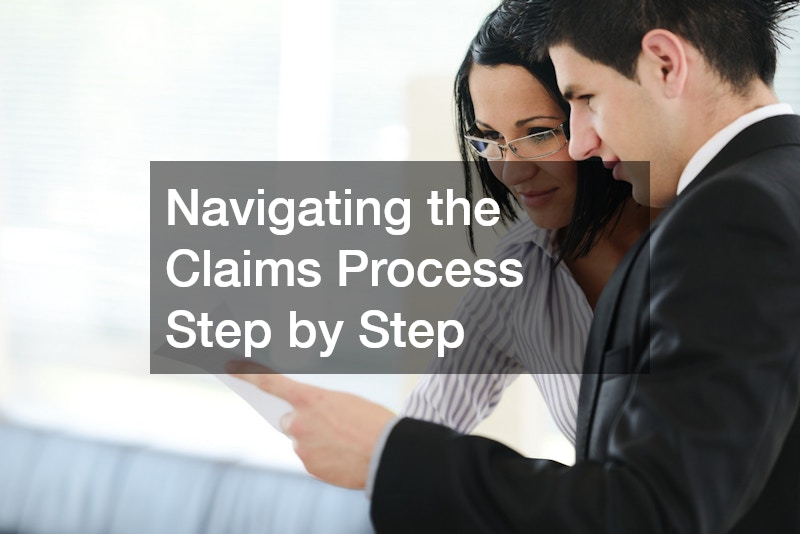
After the immediate aftermath of an accident has been addressed, the next major step involves filing an insurance claim. This process allows the insurance company to evaluate the incident and determine what costs will be covered under the driver’s insurance policy.
Most insurers require policyholders to report accidents as soon as possible. During the initial claim report, drivers will typically provide basic details such as the date and location of the accident, information about other drivers involved, and a description of the damage.
Once the claim is filed, an insurance adjuster is assigned to investigate the situation. Adjusters review several sources of information to determine how the claim should be handled. These may include:
- Police reports
- Photos from the accident scene
- Repair estimates from body shops
- Statements from drivers and witnesses
The adjuster’s job is to determine fault and estimate the financial responsibility of the insurer. This evaluation helps determine how much compensation will be offered for vehicle repairs, medical costs, or other damages.
In some situations, disagreements can arise during the claims process. Drivers may feel that the damage estimate is too low or that the insurer is unfairly denying coverage. When disputes become complicated, some individuals choose to consult an insurance lawyer for guidance.
Legal professionals who focus on insurance matters can help explain policy terms and advise clients about their rights. They may also assist with negotiating settlements or reviewing documents to ensure the policyholder receives fair treatment.
Common reasons drivers seek legal advice include:
- Claims that are delayed or denied
- Disputes over who was at fault
- Settlement offers that do not fully cover damages
Understanding how the claims process works helps drivers stay organized and prepared as they move through each stage.
Getting Your Vehicle Repaired Properly
Once an insurance claim has been approved, attention usually turns to repairing the damaged vehicle. Choosing the right repair facility is essential because the quality of repairs can affect both the safety and resale value of the car.
Many insurance companies provide a list of approved providers, but drivers typically have the right to select the facility they prefer. Visiting a reputable auto repair shop ensures that experienced technicians handle the work and that proper repair procedures are followed.
Collision-related repairs often involve specialized tools and equipment that go beyond standard mechanical work. In many cases, vehicles must be taken to an auto collision service where technicians are trained to repair structural damage, restore body panels, and recalibrate safety systems.
The repair process typically involves several steps:
- Performing a detailed inspection of all visible and hidden damage
- Creating a repair plan and ordering necessary replacement parts
- Repairing structural components such as the frame
- Repainting and refinishing damaged surfaces
Drivers should not hesitate to ask questions before authorizing repairs. Understanding the repair process helps ensure the work is completed correctly and that no damage is overlooked.
Questions to consider asking include:
- Whether original manufacturer parts will be used
- How long the repairs are expected to take
- Whether the work is covered by a warranty
Taking an active role in the repair process can help prevent misunderstandings and ensure the vehicle is restored safely.
Addressing Common Post-Accident Repairs
Some types of damage become obvious immediately after a collision, while others may appear later as technicians conduct a more detailed inspection. Even minor accidents can affect components that are not visible from the outside.
One common issue involves glass damage. Cracks or chips in the windshield can expand quickly due to temperature changes or road vibrations. When damage compromises visibility or structural strength, windshield replacement may be necessary to restore safety.
Professional technicians usually evaluate several factors before recommending replacement:
- The size and location of the crack or chip
- Whether the damage obstructs the driver’s view
- The structural integrity of the glass
In many cases, insurance policies include coverage for glass damage. Drivers should confirm whether their policy allows for windshield replacement without a deductible, as some insurers offer this benefit.
After glass repairs are completed, the vehicle may still require additional mechanical or cosmetic work. A trusted auto repair shop can inspect the vehicle to ensure no additional issues were overlooked during the initial assessment.
Potential hidden problems that may appear after an accident include:
- Wheel alignment issues
- Electrical system malfunctions
- Suspension damage
- Sensor or camera misalignment
Promptly addressing these issues helps prevent long-term mechanical problems and ensures the vehicle remains safe to drive.
Understanding Liability and Legal Options
Accidents involving significant damage or injuries can sometimes lead to legal complications. Determining responsibility is an important step in resolving claims and recovering compensation for losses.
Liability laws vary depending on the jurisdiction, but most systems consider factors such as driver negligence, traffic violations, and road conditions when determining fault. When disputes arise, an auto accident attorney may assist injured drivers or passengers in pursuing compensation.
These legal professionals often help clients by:
- Investigating the accident in detail
- Gathering evidence such as witness statements and surveillance footage
- Negotiating with insurance companies
- Representing clients in court if necessary
Legal representation can be particularly important when serious injuries occur or when insurance companies dispute liability. In such cases, a car accident attorney may help ensure that medical expenses, lost wages, and other damages are properly considered.
Drivers who believe they may need legal assistance should consider several factors when choosing representation:
- Experience with accident-related cases
- Track record of successful settlements
- Clear communication about legal fees and expectations
Understanding your legal options allows you to make informed decisions if disputes arise after an accident.
Special Insurance Considerations for Commercial Drivers

Drivers who operate commercial vehicles face a unique set of risks and insurance requirements. Because larger vehicles can cause greater damage in accidents, commercial policies often include higher coverage limits and additional protections.
Trucking insurance is designed specifically for vehicles used in freight transportation and other commercial operations. These policies typically cover liability, cargo damage, and other risks associated with operating large trucks on public roads.
Commercial drivers must also be prepared for logistical challenges after accidents. Because large vehicles are difficult to move, professional towing services are often required to transport them safely from the scene.
In addition to towing, commercial accident response may involve:
- Inspections by regulatory agencies
- Detailed accident reports for company records
- Coordination with cargo owners and insurance providers
Maintaining proper documentation and insurance coverage is essential for commercial drivers. Regular policy reviews can help ensure that coverage remains adequate as regulations and operational risks evolve.
Recovering from a car accident involves much more than repairing a damaged vehicle. Drivers must navigate insurance claims, arrange repairs, and sometimes address legal or financial complications. Understanding how each step works can make the process significantly less stressful.
Preparation is one of the most valuable tools drivers have. Reviewing coverage, knowing how to document an accident scene, and understanding how claims are processed can help prevent confusion when an unexpected situation occurs.
By staying informed and taking proactive steps, drivers can protect themselves financially and ensure they receive the support they need after an accident. Knowledge, organization, and careful decision-making can make a difficult experience far easier to manage.